Last updated on May 25, 2026
Time Magazine recently published an article by Gail Cornwall, that argues “kids need rec sports to make a comeback.”1
The proposition: “In today’s America, rec teams often aren’t considered a viable option for kids. That must change, since research says they’re ideal for the vast majority of kids.”
In the piece, Cornwall laments how her daughter essentially abandoned multi-sport participation and free play for competitive club soccer. “The reason: it would be a fool’s errand to try out for soccer at most San Francisco high schools without first playing years of club ball.”
The article posits that “adult profits and pride stand in the way of kids’ access to rec sports.”
That may well be true.
That’s not the only thing, though.
Among other things, there is this:
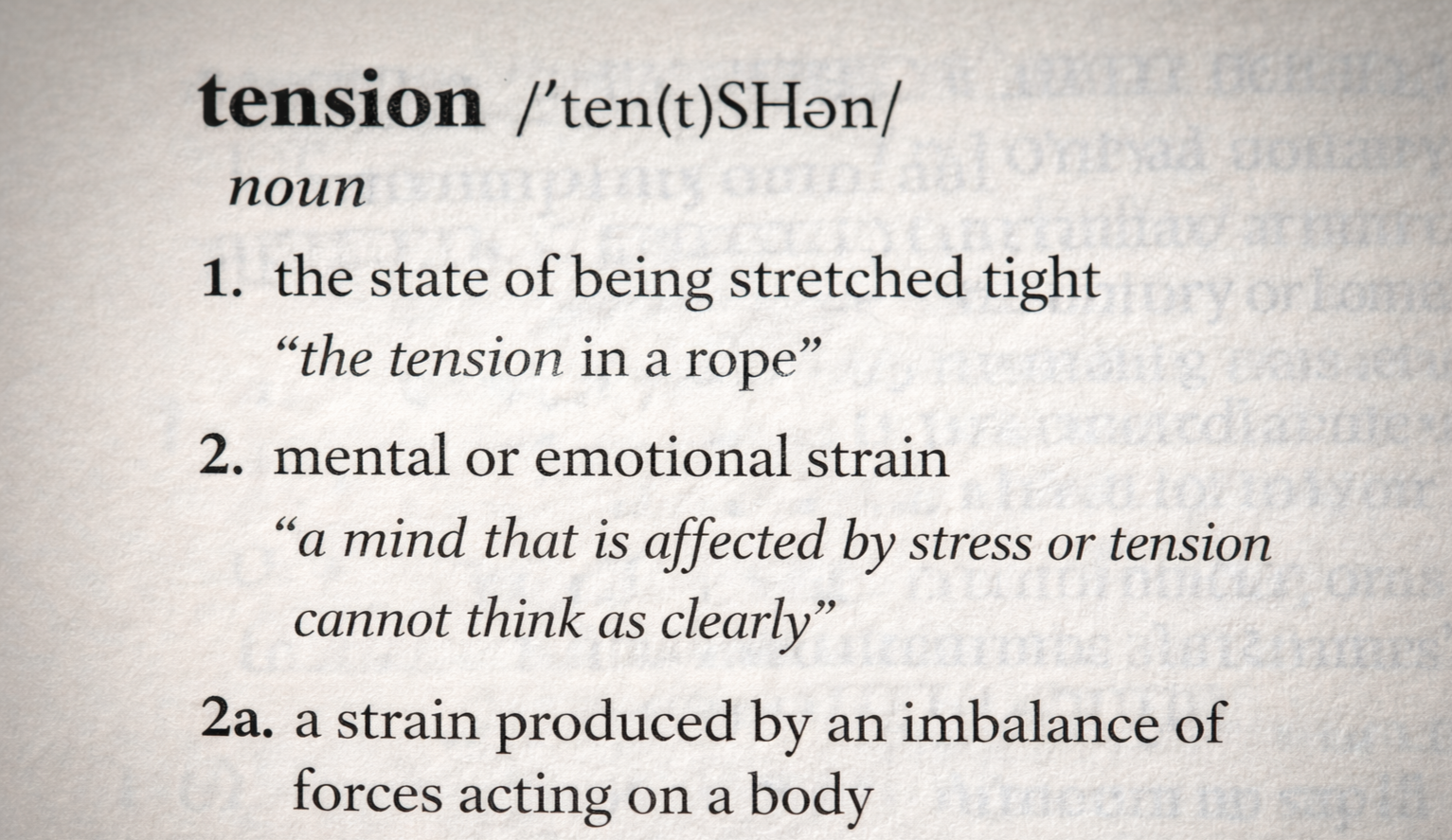
The tension between wants.
(Which one might say is conceptually adjacent to what is known as the “want-should conflict.”2)
In recreational sport, the primary purpose is to play the game. One might refer to recreational sport as “participation sport.” Practice is undertaken to improve one’s ability to enjoy the game as a game. With one’s friends. Players will improve, but the overall improvement trajectory is not that steep. Players have plenty of time to pursue other interests.
Performance sport, in contrast, is undertaken for the primary purpose of maximizing one’s individual abilities such that one can play the sport at the highest level possible. Performance sport allows essentially no time for outside interests.
Most “competitive” youth soccer in the United States is, essentially, “performance sport lite” – sport undertaken with the same general intent as performance sport, but without the volume, frequency, intensity, or quality generally believed necessary to achieve expertise. Improvement is (somewhat) intentional. Purposeful practice is involved to some degree. The goal is an often uneven mix of player development and winning. A “middle ground,” as it were, between participation and performance. It is often difficult to find consistent time for other activities.
Remember, please, that Cornwall’s daughter’s entry into competitive sport was motivated, according to the article, by a desire to play on a high school team at some point (about 5 years) in the future. The article makes it seem as though it is fairly well established that, to make the team, one must have a level of quality similar to those athletes who play “competitive” soccer. Rec soccer is still available to the players who make the high school teams. Those players, however, generally choose a different route (perhaps for the same reason as Cornwall’s daughter).
This is the tension between wants. Many parents’ and players want participation sport with competitive sport endpoints.
To put the situation in more academic terms, parents and athletes’ “want” selves, which focus on the present, desire multi-sport participation, free play and free time, while their “should” selves, which look to the future, want to be at least as good in five years, if not better than, other athletes who choose to place a greater focus on a single sport. This desired result is not impossible but unlikely. This is known to everyone involved and, thus, the tension.
Viewed through a different lense, many parents and athletes want the glory and status associated with representing one’s high school in athletic competition. There is absolutely nothing wrong with that. There may be something less desirable, however, with wanting to have that glory without also wanting to do the things necessary to earn it. (Again, as this is reasonably well recognized, the tension.)
It must be admitted up front that it does seem rather sub-optimal for athletes to have to make these types of choices at such a young age. It would be unspeakably sad that a child may elect not to pursue sport in the pre-teen years based on a prediction of what an unknown coach at a school may or may not do five years in the future.
Yet, this is where we find ourselves.
1 Gail Cornwall’s Time Magazine article “Kids Need Rec Sports to Make a Comeback” can be found here.
2 For general information on the want-should conflict, please see Chapter 12: Want-Should Conflict: A Synthesis of Past Research” in Hofmann, W., & Nordgren, L. F. (Eds.). (2015). The psychology of desire. The Guilford Press, which maybe found here.
Comments